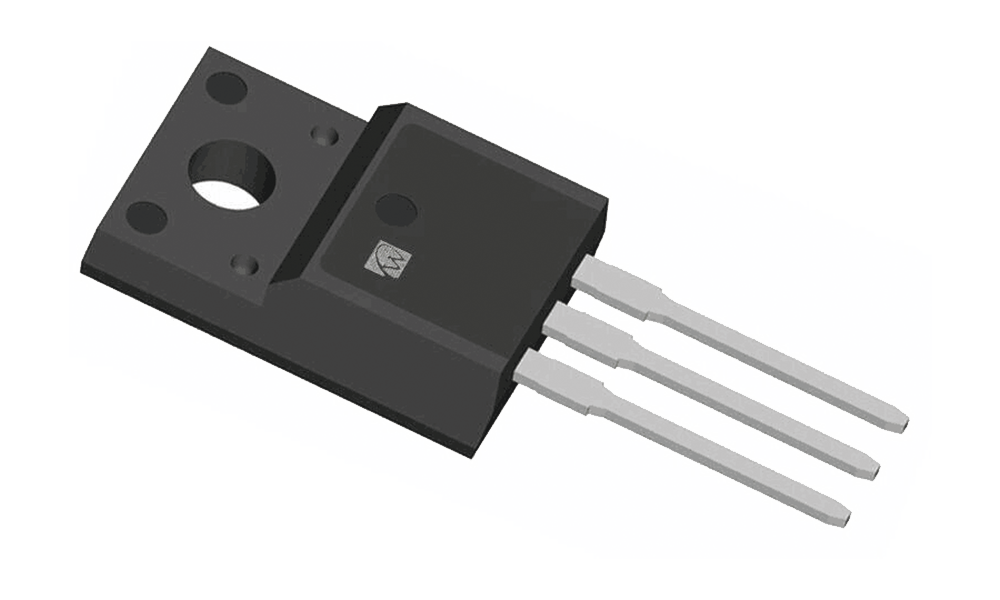
Structure, principle and performance of tantalum capacitors
2021-08-24

The us beller lab has developed a tantalum capacitor in 1956. tantalum capacitors have excellent performance, small in all capacitors, large capacity. the tantalum capacitor has a variety of shapes, which is easy to make small sheet components suitable for surface mount. it is suitable for electronic technology, automation, and miniaturization. although the raw material is scarce, the price of tantalum capacitors is expensive, but due to the number of tantalum powder, large specific capacity (30kuf -100kuf), the tantalum capacitor has been rapidly developed and widely used. v / g) and improved and improved capacitors manufacturing process. tantalum capacitors are not only widely used in military communications, aerospace, etc., but also widely used in industrial control, film and television equipment, communication instruments and other products.
Resistance effect
2021-08-24

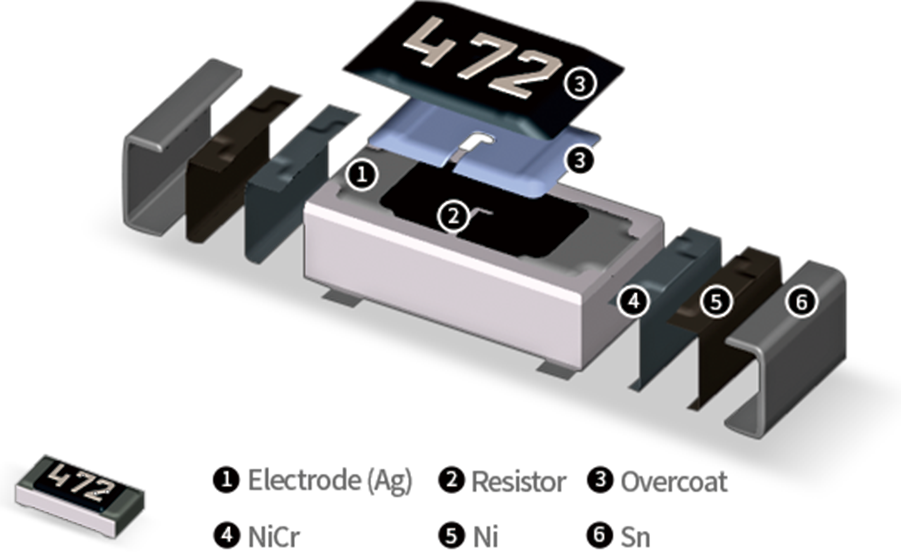
The resistor is a resistive element that provides a certain resistance in the 3362 adjustable resistor. its electrical performance determines its main electrical performance to be 3362 resistance adjustable. the resistor should have a good resistance value stability, a smaller resistance temperature coefficient and static noise. in order to improve reliability, there should be moisture-proof, heat resistance, wear resistance, antioxidation, high load, and cold and heat mutation.

Introduction to the patch capacitance
2021-08-24

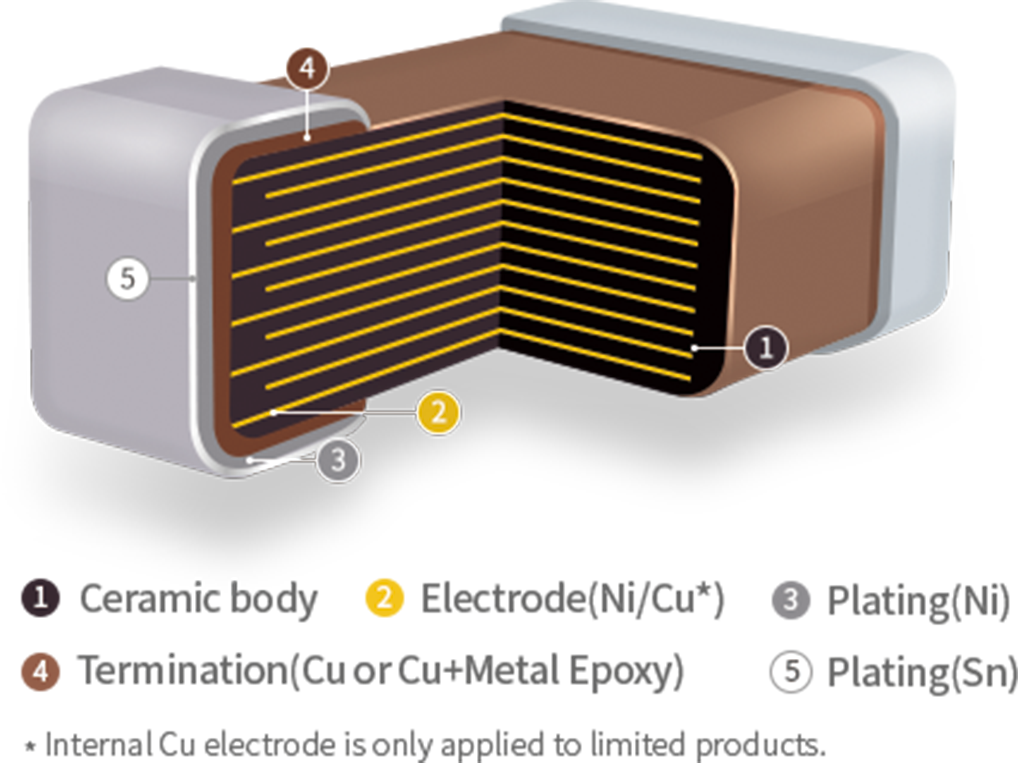
What is a patch capacitance: the patch capacitance has the effect of "communication, blocking stream", "high frequency, blocking frequencies", "high frequency, block low frequency", etc. patch capacitor.

Read "the principle of work of the fuse and the structure"
2021-08-24

We all know that when the current flows through the conductor, there is a certain resistance due to the conductor, so the conductor will heat. and the heat is followed by this formula: q = 0.24i2rt; where q is heat generation, 0.24 is a constant, i is a current flowing through the conductor, r is the electrical resistance of the conductor, t is the time of current flowing through the conductor; according to this formula it is not difficult to see the simple working principle of the fuse.